Modernizing Malaysia’s Lekor Market
How modern retail execution can unlock untapped value in Malaysia’s fragmented street snack economy
FOOD & BEVERAGES
aloaksi
12/1/20254 min read
At a glance
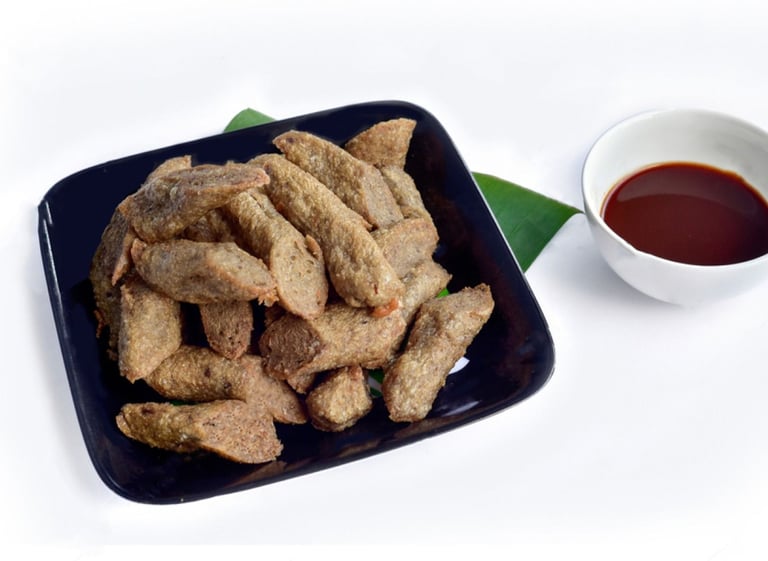
Keropok lekor, a nostalgic fish-based snack native to Malaysia, remains highly popular—but structurally underdeveloped. Our analysis of the Klang Valley market reveals that despite strong consumer demand, the category suffers from supply chain fragmentation, unbranded retail, and lack of consistency in product experience.
By owning the retail end, standardizing operations, and reframing the snack for urban use cases, new entrants can unlock attractive margins, loyalty, and scalability. This article distills key insights from our strategy project, offering a blueprint for commercializing lekor at scale, without compromising its cultural appeal.
A structurally broken value chain leaves the retail end unclaimed
The keropok lekor ecosystem operates as a fragmented value chain. Small-scale producers often operate independently, oversupplying frozen lekor with no brand presence or downstream control. Distributors focus on moving volume, not preserving freshness, which results in high wastage and inconsistent product quality. Retailers, typically night market stalls or roadside carts, compete on price, proximity, and nostalgia rather than differentiation.
Consumers enjoy the product but are increasingly hesitant to engage with stalls that offer little hygiene or consistency. The outcome is a commoditized product with no brand equity and limited repeat purchase behavior. This, however, creates a strategic opportunity. A business that defines the retail standard through consistency, service, and branding can capture significant value and reshape the category.
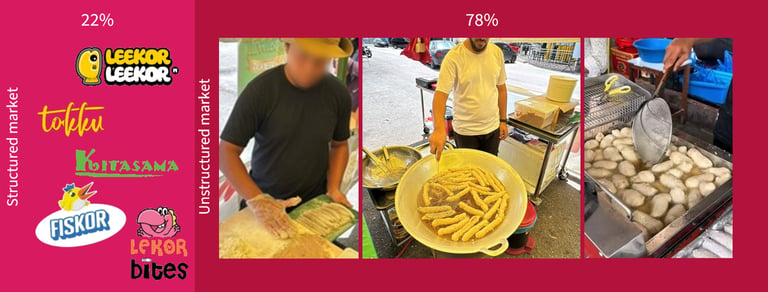
Approximately 78% of keropok lekor transactions in Klang Valley take place through informal vendors. These are highly localized, low-cost operators offering quick purchases based on habit or convenience. They do not build loyalty, and consumers often switch from one to another with no strong preference.
In contrast, structured offerings such as branded kiosks or packaged products offer significantly higher pricing potential. Consumers demonstrate a willingness to pay for cleanliness, consistency, and packaging that supports portability and gifting. This behavior has been observed in other traditional food categories that made the leap to modern formats. The transition from commodity to brand occurs when product experience is designed with the urban consumer in mind.
Urban consumers want lekor, but in more accessible forms
The demand for lekor is not in question. What consumers increasingly reject is the traditional format in which it is served. Our study showed that buyers want cleaner, more portable options that fit into modern contexts such as shopping breaks, work snacks, and casual group sharing.
A disciplined approach to menu design is crucial. We recommend a core set of trusted flavors, supported by two distinctive signature offerings and a limited rotating set of experimental or seasonal varieties. This structure balances operational simplicity with customer engagement. Seasonal drops or curated combos provide marketing leverage without introducing excessive inventory or execution risk. The goal is not to mimic roadside lekor, but to translate it into a format that fits seamlessly into modern lifestyles.
Many food ventures struggle with high fixed costs, labor dependency, and uneven product quality. In contrast, a lekor business can succeed by separating production and retail into distinct, standardized layers. A central kitchen handles boiling, slicing, and packing. On-site stalls only perform the final fry and serve process.
This structure reduces the skill needed at the front line and ensures output is consistent regardless of staff turnover. A standardized operating procedure governs stock, sales, and customer interaction. Inventory is tracked daily, and wastage is minimized by controlling batch sizes. With this setup, each stall requires minimal capital and can be replicated quickly across high-traffic areas. It is a model designed for scale, consistency, and operational efficiency.
Location economics are more important than brand visibility in early rollout
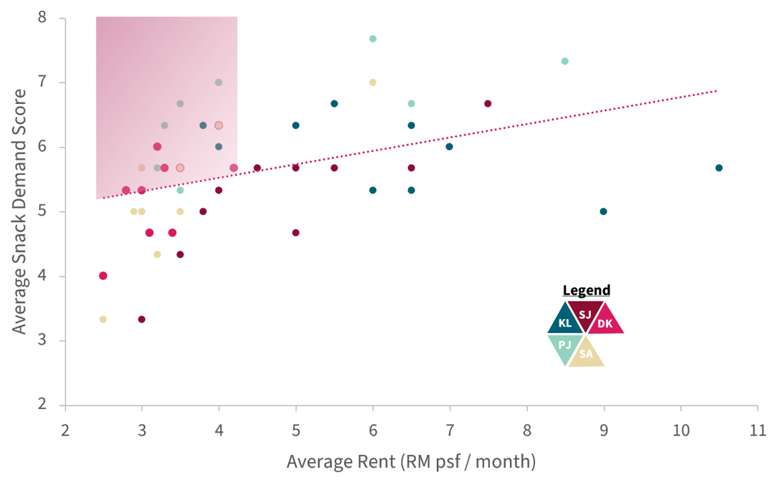
Success in early-stage food retail is determined by unit economics, not marketing exposure. We analyzed demand and rental data across Klang Valley and identified neighborhoods where high snack consumption intersects with affordable rents. These include student zones in Subang Jaya and Shah Alam, and mixed-use commercial areas in Petaling Jaya and Klang.
Each of these microzones features a strong base of habitual snackers and reasonable rental costs. By launching in these areas, businesses can reach breakeven faster and refine their model before expanding into premium locations. In contrast, flagship malls carry higher risk due to inconsistent footfall and elevated fixed costs. For lekor to succeed, location strategy must prioritize profitability over visibility.
Rather than investing heavily in permanent retail space, operators can start with a direct-to-consumer approach. Sales through social media channels such as Instagram and WhatsApp enable rapid testing of product formats, pricing, and customer preferences.
Limited drops, seasonal bundles, and corporate gifting packages provide targeted revenue streams without requiring full-time staffing or daily operations. Pop-up stalls and collaborations further extend reach and brand awareness. This approach allows the business to learn quickly, control cash flow, and build a loyal base of early adopters. It also maintains flexibility in the face of uncertain demand or regulatory challenges.
A traditional product with modern retail potential
Keropok lekor is a familiar and beloved product. Its cultural relevance and taste profile do not need to change. What must evolve is the way it is sold. Inconsistent stalls and unbranded vendors cannot meet the expectations of today’s urban consumer. A business that standardizes retail execution, simplifies operations, and controls the customer experience will gain a competitive edge.
By focusing on lean formats, digital engagement, and carefully chosen launch locations, operators can unlock profitability without sacrificing authenticity. This is not a story of industrialization, but one of disciplined transformation. Lekor, delivered with modern precision, can become more than a nostalgic treat. It can become a category.